
Why AI Agent Governance Is a Strategic IAM Priority
Moving an AI agent from pilot to production raises decisions about system access, ownership and when permissions should be reviewed.
· 4 min read · Seafront team
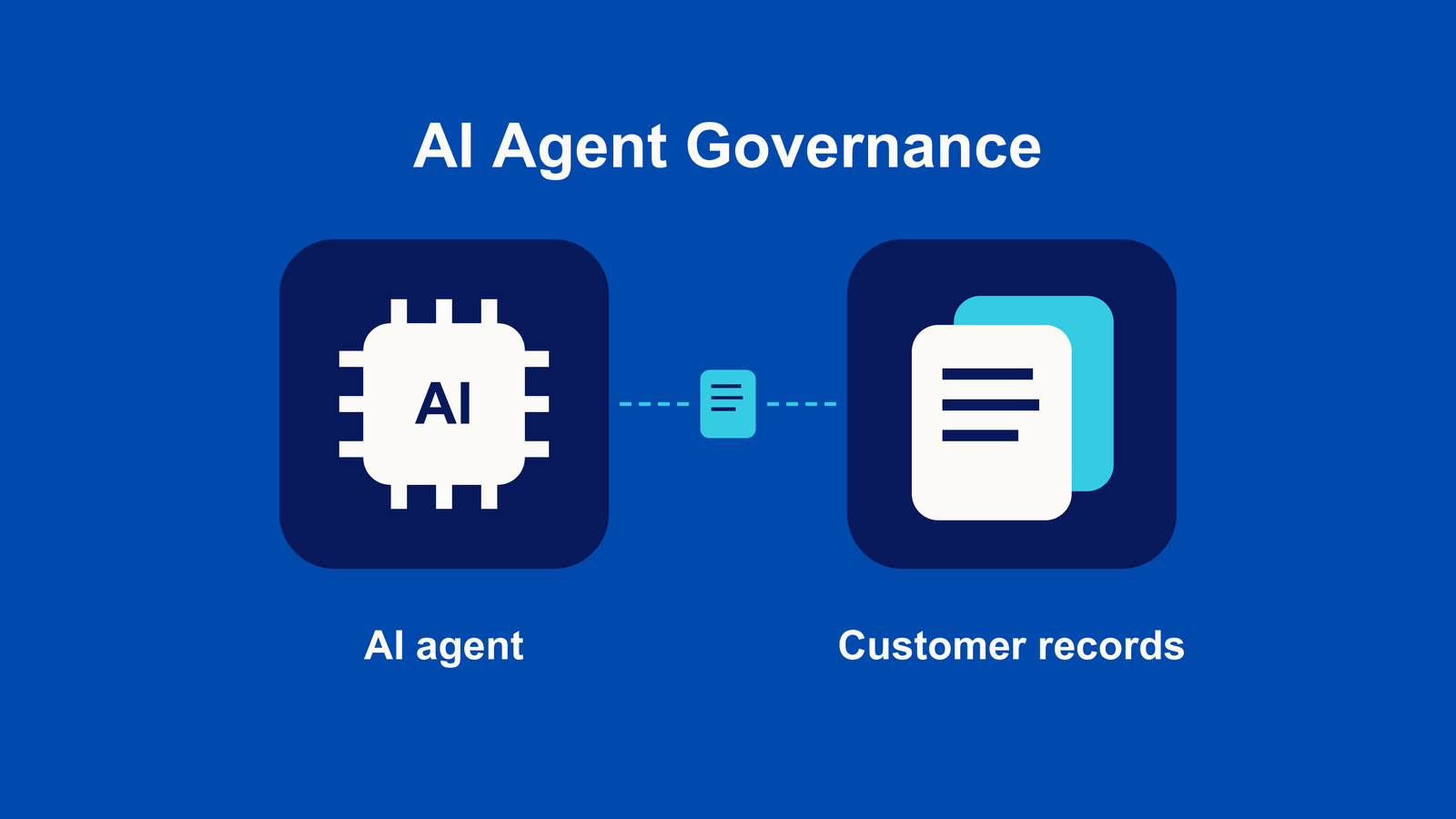
A successful AI pilot is often celebrated as a technological breakthrough, giving teams an exciting reason to push forward. But moving from a controlled sandbox into daily production introduces a critical question that pilots usually leave unanswered: what should this AI agent actually be allowed to read, change, or execute?
Bringing AI into the workforce is no longer just a question of computational capability; it is a profound identity and access management challenge. Knowing who will review an agent's access as its role evolves is just as important as the tasks it performs.
Assess the Access Footprint, Not the Algorithm
A strategic approach begins by analysing what actually changes in your IT environment when AI is integrated into daily operations. An isolated pilot might prove that an AI tool can efficiently query a database or categorise files. Moving to production, however, introduces critical access risks. What sensitive data does this agent need to access? How does it authenticate to legacy systems?
Moving forward requires mapping out the true access requirements of the agent, establishing where data will flow, and ensuring that your access governance structures maintain security without stifling innovation. The executive focus must shift from how smart the AI is to what the AI is authorised to touch.
Setting Boundaries for Autonomous Agents
Machine autonomy requires strict boundaries, and this is where identity governance becomes critical. An AI assistant can act on behalf of a user with delegated permissions, use its own application permissions, or use a combination of both in different parts of a workflow.
An agent authorised to update customer databases or trigger critical workflows can make unintended, rapid changes if it acts on a mistaken or manipulated instruction. The principle of least privilege limits what the agent can do. IGA can record why access was granted and who approved it. The systems the agent connects to must enforce those permissions for each action.
How AI Identities Differ from Human Users
While AI agents are distinct non-human identities, governing them requires a specialised approach within your Identity Governance and Administration framework. Unlike human employees who follow predictable lifecycles of onboarding, role changes, and offboarding, AI agents can be deployed in minutes for a specific project and easily forgotten. This creates a massive risk of highly privileged orphaned accounts.
Every AI agent should have a named human owner responsible for its purpose and ongoing use. The organisation should also define who approves access to each system. When the owner leaves or changes roles, that event should automatically trigger a handover and a rigorous access review. Suspending access must always be an option if no owner can be confirmed and the risk warrants it.
Beware of Permission Creep and the Blast Radius
Without systematic oversight, an AI agent's permissions can expand unnoticed. Adoption might begin as a tightly scoped trial with limited read-only access. Soon after, another department might connect a new data source, upgrading the agent’s permissions to write access.
An over-privileged agent can affect countless records or systems in a very short time, dramatically expanding the blast radius depending on the access and actions available to it. System audit logs and regular access reviews are essential to reveal accumulated permissions that must be proactively revoked. A modern IGA system must be capable of providing both the rapid lifecycle management unique to AI agents and the systematic access reviews required for compliance.
Questions Before Scaling an Agent
When the expansion of AI tools is on the agenda at the next management review, executives should ask the responsible teams two essential IAM questions. First, what has the agent improved, and what specific system access does it need to do that work? Second, who owns the agent, and when will its access be reviewed again?
The answers help executives decide whether to confidently scale the deployment. If an agent lacks a clear owner or operates outside established governance, the right decision is to strictly restrict its permissions, or deny access entirely, until the AI is brought firmly under formal IAM control.
Explore AI agent governance: AI Agent Identity Governance | Seafront